We must explain to you how all seds this mistakens idea off denouncing pleasures and praising pain was born and I will give you a completed accounts off the system and expound the actually teaching.

Contact Info
-
Address
12489 Homeport Drive Suite A Maurepas LA 70449
-
Phone
-
Email
© CarePress 2021, All Rights Reserved.
Business
From the Living Room to the Tube: A Day in the Life of a Cloud Gamer
It was 8 am on a rainy Monday when I pulled my phone out of my bag, tapped a familiar icon and was instantly playing the latest racing title on a commuter train. No console, no bulky laptop – just a 5G connection and a subscription that streamed the game from a data centre in London. The whole session lasted 45 minutes before I arrived at work, and the graphics looked as crisp as anything I’d seen on a high‑end PC.
Why Cloud Gaming Is Gaining Traction in the UK
Three concrete factors are pushing cloud gaming from niche hobby to mainstream pastime across Britain.
- Bandwidth improvements. According to Ofcom’s 2024 report, average broadband speeds in England have risen to 115 Mbps, while 5G coverage now reaches 85 % of the population. Those numbers mean a 1080p stream with 60 fps is no longer a luxury reserved for city flats.
- Cost efficiency. A typical console setup – console, TV, controller, plus a game that can cost £60 – adds up to around £300 for a casual player. By contrast, a cloud gaming subscription such as Xbox Cloud Gaming or Nvidia GeForce Now starts at £9.99 per month, and the hardware requirement is just a smartphone or a cheap Android TV box costing under £50.
- Flexibility of play locations. A recent survey by the UK Games Industry (UKGI) found that 42 % of gamers have played a cloud‑streamed title outside the home at least once in the past six months, with the most popular spots being trains, cafés and office break rooms.
These statistics aren’t abstract; they translate into real decisions. My sister, who lives in a council flat with limited space, switched from a second‑hand PlayStation 4 to a cloud service and now enjoys the latest releases without needing a TV.
What the Technology Looks Like on the Ground
The backbone of cloud gaming is a network of powerful servers equipped with GPUs that render frames in real time. When you press a button, the input travels to the server, the frame is rendered, compressed and sent back in milliseconds. In the UK, most of these servers sit in data centres in Manchester, London and Glasgow, reducing latency to an average of 30 ms for users on fibre.
Latency is the single most critical metric for gamers. A study by the University of Southampton measured the difference between a local console and a cloud stream and found the average delay to be 23 ms on a fibre connection – barely noticeable for most genres except fast‑paced shooters.
Another practical consideration is data usage. A 1080p stream consumes roughly 7 GB per hour. For a typical UK broadband plan with a 500 GB monthly cap, a dedicated gamer could comfortably stream 70 hours before hitting the limit. That’s roughly three full days of play, which aligns with the average weekly gaming time reported by Statista (12 hours per week).
How Cloud Gaming Intersects With Traditional Online Entertainment
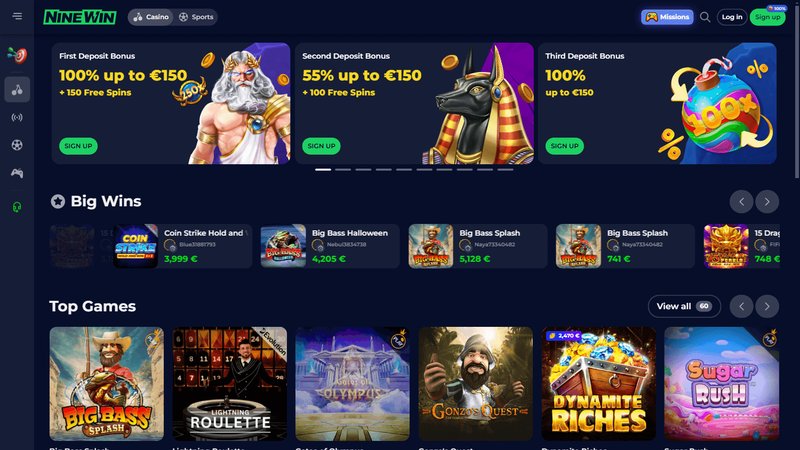
While cloud gaming reshapes how we access games, it also dovetails with the broader online entertainment ecosystem. Many platforms bundle streaming video, music and cloud gaming under a single subscription, blurring the lines between watching a film and playing a title. In fact, some providers now offer a trial that includes a ninewin bonus code for new users, giving a taste of both casino and cloud‑gaming experiences in one go.
Challenges That Still Need Solving
Despite the progress, cloud gaming isn’t without its hurdles.
- Data caps. Rural areas still rely on slower ADSL connections, where a 1080p stream can quickly exceed a 50 GB cap, forcing players to downgrade to 720p or switch back to local hardware.
- Game library gaps. Major publishers such as EA and Ubisoft have selective licensing agreements, meaning some blockbuster titles remain unavailable on certain services. Players looking for niche indie games may still prefer Steam or the Epic Store.
- Ownership concerns. With cloud services, you don’t own the game files; you rent access. If a service shuts down, your library disappears, a risk that still worries long‑time collectors.
These issues mainly affect users who rely on limited broadband or who prefer a permanent archive of their purchases.
Looking Ahead: What the Next Five Years Might Hold
Predicting the exact trajectory is tricky, but several trends are already visible.
- Hybrid consoles – devices like the Xbox Series X are being marketed as “cloud‑ready”, allowing seamless switching between local and streamed play.
- Edge computing – new data centres positioned closer to end users could shave latency down to under 10 ms, making cloud gaming viable for competitive esports.
- Cross‑platform subscriptions – expect more bundles that combine cloud gaming with streaming services like Netflix or Amazon Prime, offering a single monthly fee for a suite of entertainment options.
For now, the most immediate impact is cultural: families no longer need a dedicated game room, students can game in dorms without contravening lease agreements, and commuters can turn travel time into a mini‑arcade. The UK’s gaming landscape is quietly but steadily shifting from “own it” to “access it”.
Final Thoughts
If you’ve ever hesitated to buy a console because of space, cost or the hassle of updates, cloud gaming offers a practical alternative. The numbers show faster broadband, lower price points and growing server coverage. The downsides – data limits, library restrictions and the lack of ownership – are real, but they affect specific user groups rather than the whole market. As the technology matures, the phrase “play anywhere” will stop sounding like a marketing tagline and become a genuine part of everyday life for gamers across the UK.
Frequently Asked Questions
What is cloud gaming?
Cloud gaming streams games from remote servers to your device over the internet, so you don’t need a powerful console or PC.
How does 5G improve cloud gaming?
5G offers lower latency and higher bandwidth, reducing lag and ensuring smooth gameplay even on mobile devices.
Is a subscription required for cloud gaming?
Most services use a subscription model, granting you access to a library of titles for a monthly fee, though some offer free tiers or pay‑per‑play options.
Are there privacy concerns with cloud gaming?
Data is processed in data centres, and while most providers encrypt traffic, users should review privacy policies and ensure secure connections to protect personal data.

Written by